KWS Technical Insights | TCT vs. PCD Saw Blades:
Which One Is Right for Your Production?
As the woodworking industry continues to evolve, manufacturers are increasingly focused on improving cutting efficiency, product quality, and production costs. Whether in solid wood processing, panel furniture manufacturing, or custom furniture production, selecting the right saw blade can significantly impact overall performance.
One of the most common questions KWS receives from customers is: Should I choose a TCT saw blade or a PCD saw blade?
To help manufacturers make informed decisions, the KWS technical team has compiled answers to the most frequently asked questions.
Q1: What are the key advantages of TCT saw blades?
A: TCT (Tungsten Carbide Tipped) saw blades are known for their excellent toughness and impact resistance. They are less likely to chip when encountering knots, nails, gravel, or other contaminants in the material.
In addition, TCT blades offer broad material compatibility and can be used for cutting solid wood, plywood, particleboard, recycled wood, and many other wood-based materials. Their relatively low purchase cost and easy maintenance make them a practical choice for a wide range of woodworking applications.
Q2: What are the limitations of TCT saw blades?
A: Compared with PCD blades, TCT blades have lower wear resistance and heat resistance. When cutting abrasive materials such as melamine-faced panels, HPL boards, or MDF, the cutting edge tends to wear more quickly, requiring frequent resharpening.
For high-volume production environments, increased downtime for blade changes and maintenance can result in higher operating costs over time.
Q3: What are the core advantages of PCD saw blades?
A: PCD (Polycrystalline Diamond) saw blades provide exceptional wear resistance and extremely long service life. A single sharpening can support tens of thousands of meters of continuous cutting, dramatically reducing blade replacement frequency.
PCD blades also deliver superior cutting quality, producing clean edges with minimal chipping, burrs, or burn marks. Their outstanding heat resistance makes them ideal for high-speed machining and automated production lines.
Q4: What are the disadvantages of PCD saw blades?
A: While PCD teeth are extremely hard, they are also more brittle than carbide teeth. Contact with nails, stones, or other foreign objects can cause severe chipping or damage.
In addition, PCD blades require a higher initial investment and must be serviced using specialized diamond grinding equipment. They also perform best on stable machinery and standardized panel materials with minimal impurities.
Q5: Which applications are best suited for TCT saw blades?
A: TCT saw blades are ideal for:
Solid wood processing
Recycled or reclaimed wood cutting
Materials containing knots or impurities
Small-batch and multi-product manufacturing
Woodworking shops and small-to-medium-sized factories
Their versatility and durability make them a reliable solution for diverse production requirements.
Q6: When should manufacturers choose PCD saw blades?
A: PCD saw blades are recommended for:
Large-scale panel furniture production
Continuous processing of melamine boards, MDF, HDF, and HPL panels
CNC nesting machines and automatic panel saw lines
High-speed, automated manufacturing environments
Applications requiring premium edge quality and dimensional consistency
Q7: What if both solid wood and engineered panels need to be processed?
A: KWS recommends using dedicated blades for different applications.
TCT saw blades should be used for solid wood and mixed-material cutting, while PCD saw blades should be reserved for engineered panel processing. This approach maximizes blade life, improves cutting performance, and minimizes the risk of damage to expensive PCD tooling.
Q8: How should customers choose from a cost perspective?
A: For businesses focused on minimizing initial investment or handling small production volumes, TCT saw blades are generally the most economical option.
For manufacturers running long-term, high-volume production, PCD saw blades often provide a significantly lower total cost of ownership despite their higher upfront cost, thanks to reduced downtime and extended service life.
Q9: Which blade type offers better durability?
A: In standardized panel processing applications, PCD saw blades significantly outperform TCT blades in wear resistance and overall lifespan.
However, under demanding conditions involving contaminants, knots, or inconsistent materials, TCT blades typically offer better impact resistance and operational flexibility.
Q10: What is KWS's recommendation?
A: There is no universally "best" saw blade—only the blade that best matches your production requirements.
The optimal choice depends on several factors, including material type, equipment capability, production volume, quality expectations, and operating costs.
At KWS, we work closely with customers to evaluate their specific applications and recommend the most efficient and cost-effective cutting solution.
About KWS
KWS specializes in the development and manufacture of high-performance woodworking cutting tools and sawing solutions. Serving customers worldwide in furniture manufacturing, panel processing, and woodworking industries, KWS is committed to delivering innovative products, reliable quality, and professional technical support.
Through continuous technological innovation, we help customers improve productivity, reduce operating costs, and achieve sustainable growth.
KWS Cutting Tools — Make Cutting More Efficient.



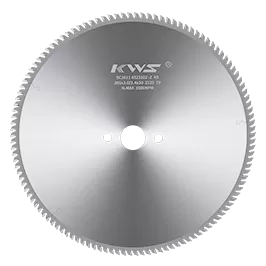 Saw Blade for Cutting Wood
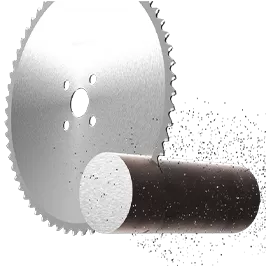 Cold Saw for Cutting Steel
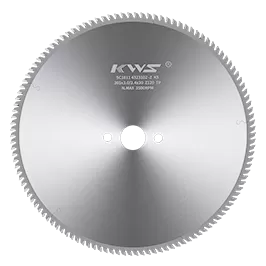 Saw Blade for Cutting Aluminum
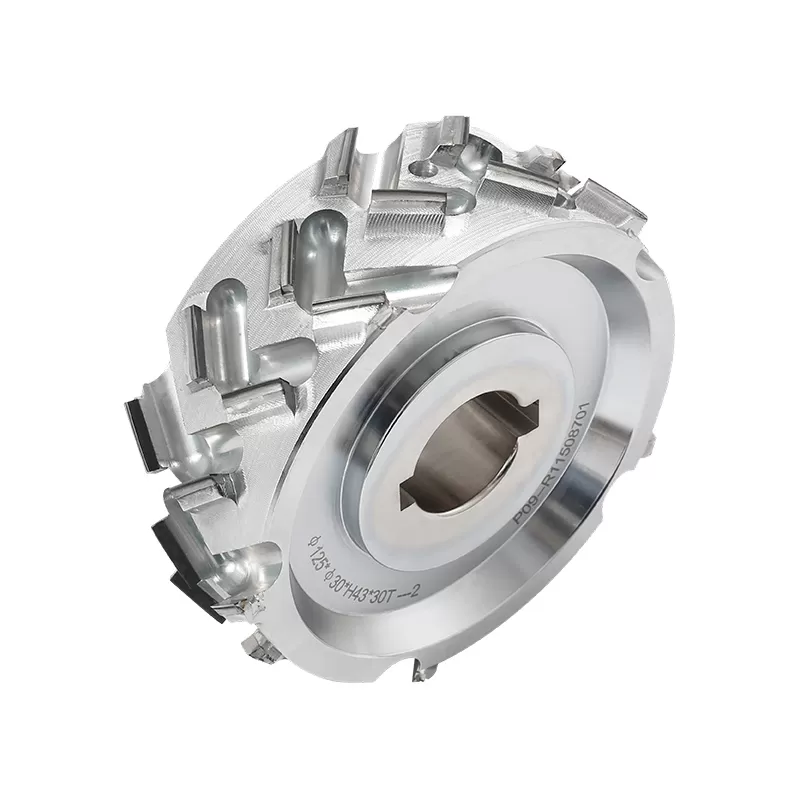 Pre-milling Cutter
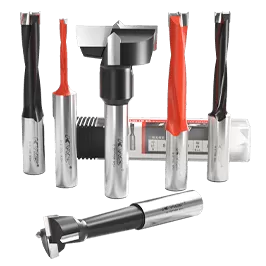 Drill Bit
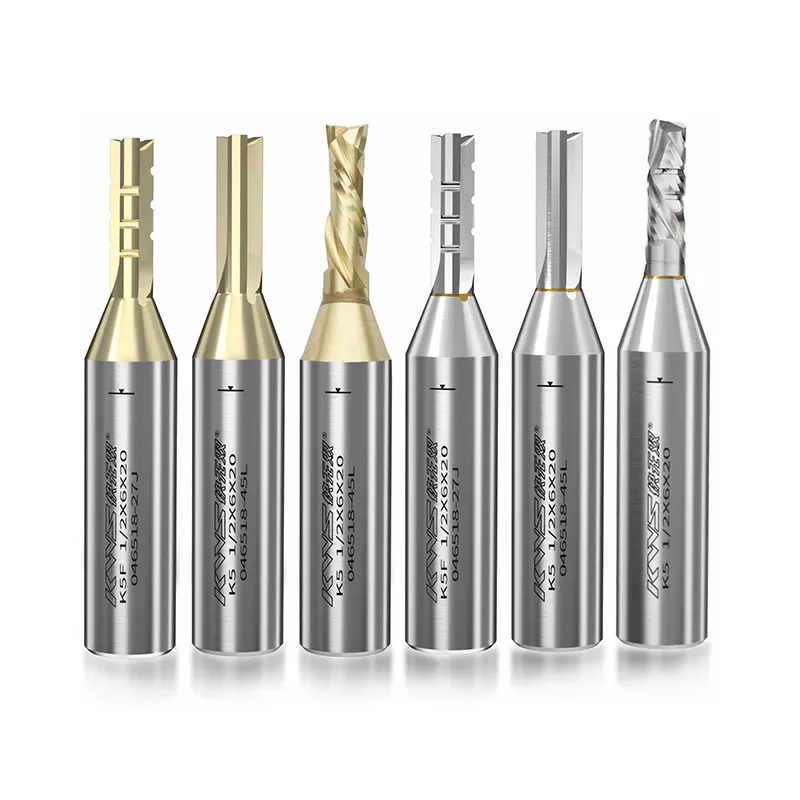 Router Bit
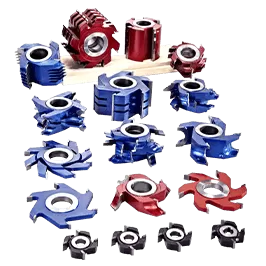 Profile Cutter
 Planer Knives
 Collet Chuck Holder
 Grinding Wheel
 HSS Saw Blade
 Chop Saw
 Polishing Wheel