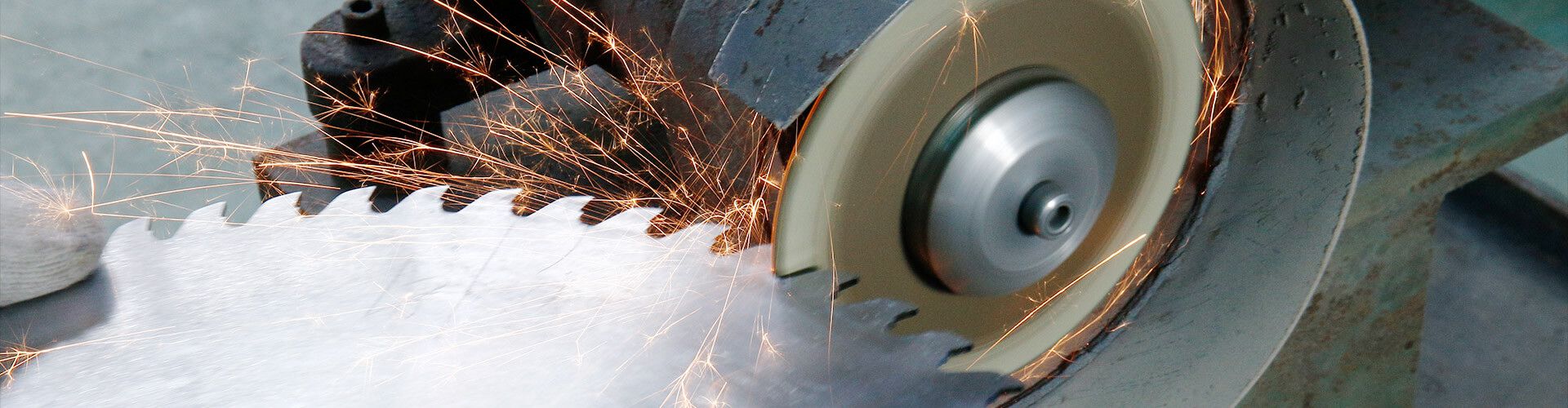
Flying Saw Technology FAQ: How to Improve Tube and Profile Cutting Efficiency
With the growing demand for high-speed and continuous production, online flying saw technology has become an efficient solution for tube and profile cutting. By synchronizing with the moving material, the flying saw can cut without stopping the production line, helping improve productivity and cutting efficiency.
Q1: What Is an Online Flying Saw?
An online flying saw is a dynamic cutting system designed for continuous production lines. During cutting, the saw carriage moves together with the material and completes the cut without stopping the production line.
It is widely used for cutting seamless steel tubes, welded tubes, stainless steel tubes, angle steel, channel steel, I-beams, and other metal profiles.
Q2: What Saw Blades Are Commonly Used for Flying Saws?
Two common options are TCT carbide-tipped saw blades and HSS high-speed steel saw blades.
TCT Saw Blades:
Known for excellent wear resistance and stable cutting performance, making them suitable for high-speed production and difficult-to-cut materials such as stainless steel.
HSS Saw Blades:
Offering good toughness and cost-effectiveness, HSS blades are commonly used for conventional carbon steel and general metal-cutting applications.
Selection mainly depends on the workpiece material and production-line speed.
Q3: What Affects Flying Saw Cutting Accuracy?
1.Several factors can affect cutting precision, including:
2.Measuring roller slippage – may cause inaccurate length measurement.
3.Encoder problems – can lead to positioning errors.
4.Production-line speed fluctuations – affect synchronization.
5.Poor saw-carriage synchronization – may cause length deviations.
6.Insufficient workpiece clamping – can cause movement and vibration.
7.Saw blade wear – may increase cutting resistance and affect cut quality.
Q4: How Can Cutting Stability and Accuracy Be Improved?
For better flying saw performance:
Select the right TCT or HSS saw blade according to the material and line speed.
Keep the production-line speed stable.
Regularly check the encoder and measuring system.
Ensure reliable workpiece clamping.
Monitor saw blade wear and replace or regrind blades when necessary.
Maintain accurate synchronization between the flying saw and production line.
Conclusion
A properly matched flying saw system and saw blade can significantly improve cutting efficiency, dimensional accuracy, and production stability.
Whether you are cutting steel tubes, stainless steel tubes, or metal profiles, choosing the right blade according to the material, wall thickness, and production-line speed is essential for achieving consistent cutting performance.
Need help choosing a flying saw blade? Contact our technical team with your material, tube/profile dimensions, line speed, and current blade specifications.



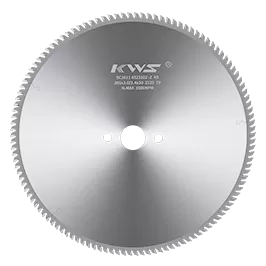 Saw Blade for Cutting Wood
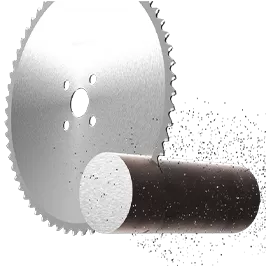 Cold Saw for Cutting Steel
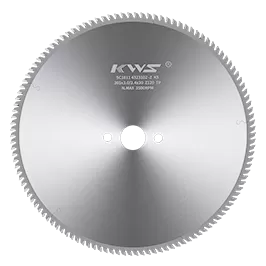 Saw Blade for Cutting Aluminum
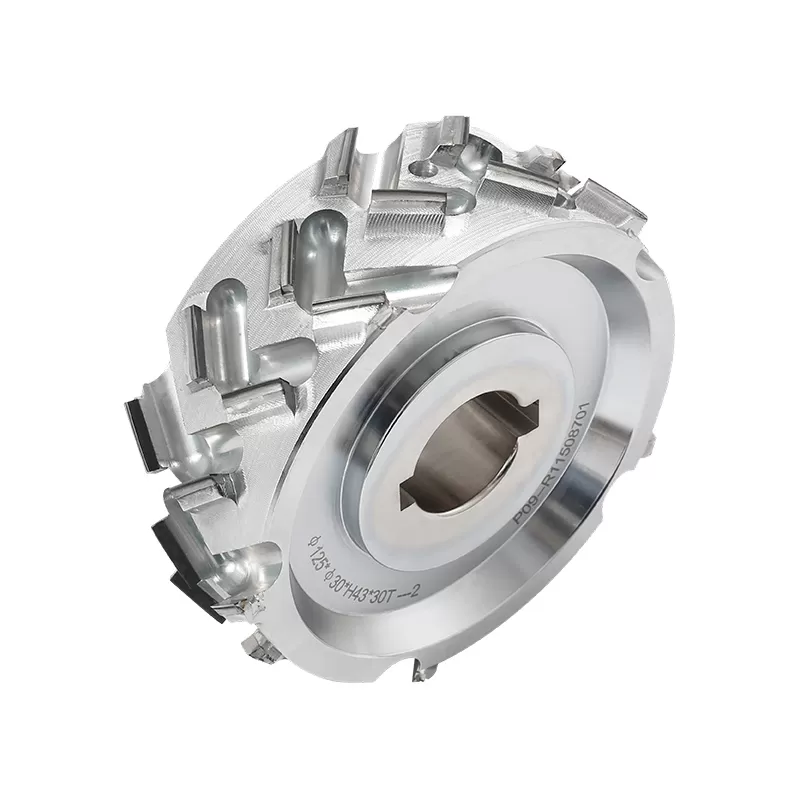 Pre-milling Cutter
 Drill Bit
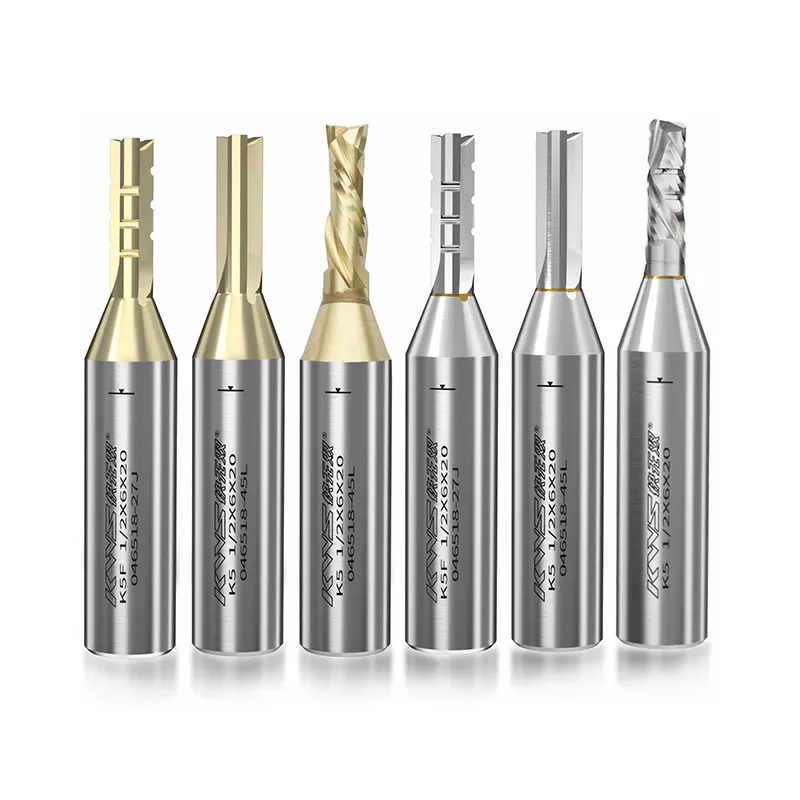 Router Bit
 Profile Cutter
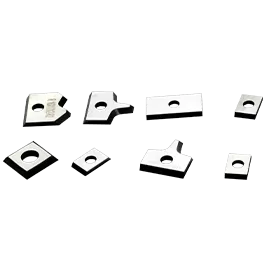 Planer Knives
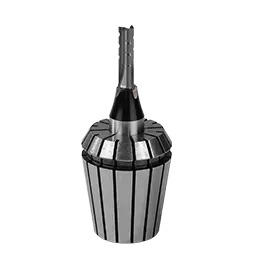 Collet Chuck Holder
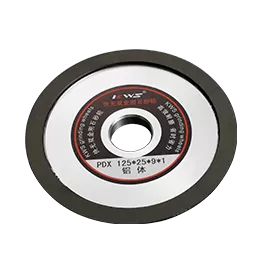 Grinding Wheel
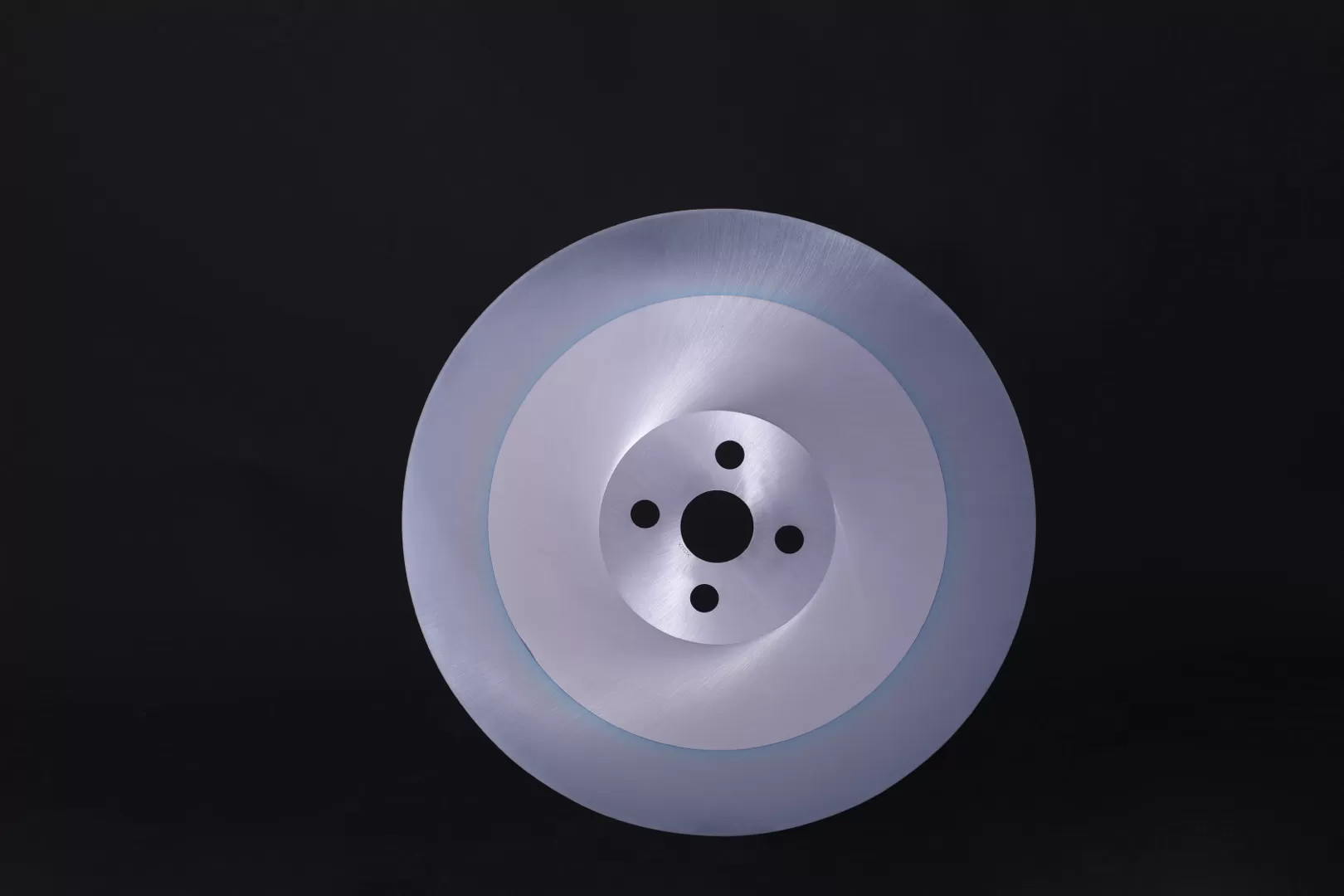 HSS Saw Blade
 Chop Saw
 Polishing Wheel