Home > Products > Cold Saw for Cutting Steel > Flying Saw > KWS TCT Flying Saw Blade for High-Speed Steel Pipe Cutting
Features:
1.Tungsten carbide-tipped teeth for industrial cutting applications
2.K5 coated blade options for improved wear and heat resistance
3.Multiple diameters, thicknesses and tooth configurations
4.R, P and ZYT tooth designs for different cutting processes
5.Standard specifications and customized solutions available
6.Suitable for compatible high-speed flying saw machines
KWS TCT Flying Saw Blade for High-Speed Steel Pipe Cutting
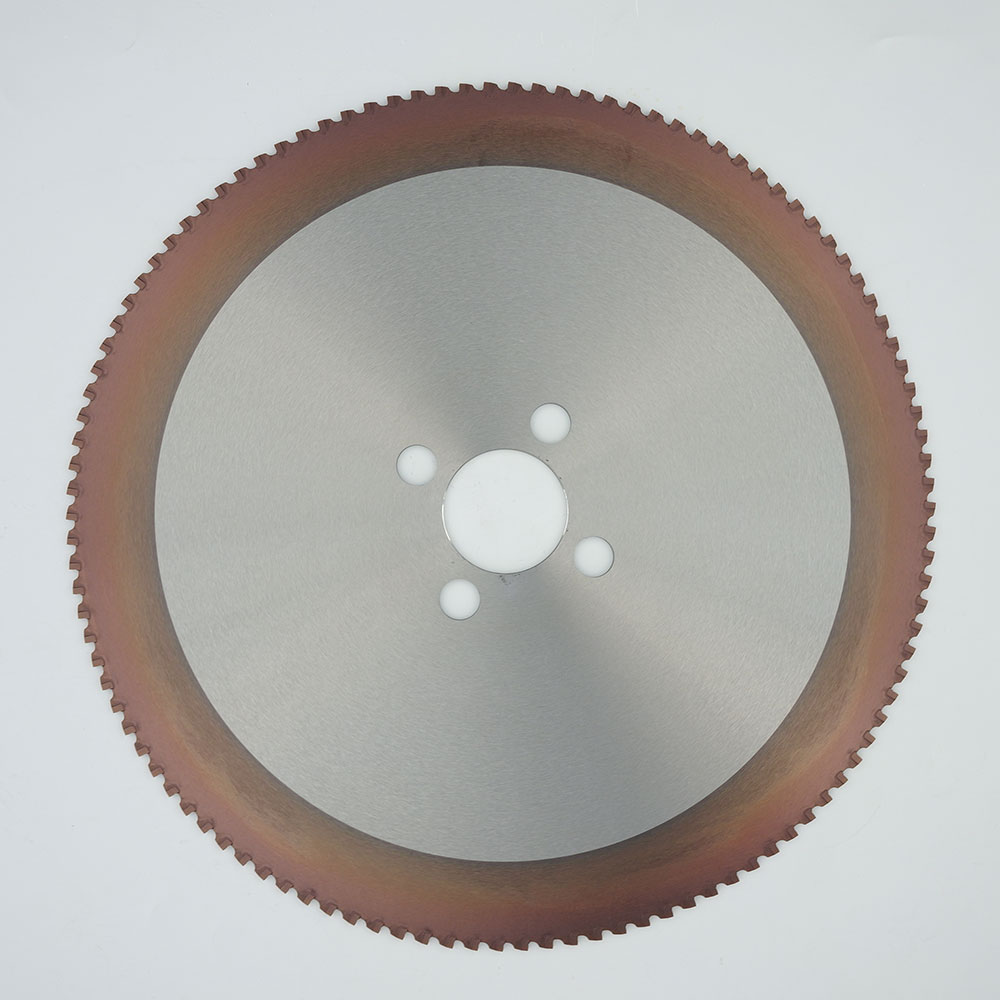
The KWS TCT Flying Saw Blade is designed for high-speed cutting applications in steel pipe and tube production lines. Equipped with tungsten carbide-tipped teeth and available with K5 coating, this industrial flying saw blade supports efficient cutting of moving metal tubes and profiles when matched with the appropriate flying saw machine and cutting parameters.
During continuous production, a flying saw machine synchronizes its movement with the advancing material to cut steel pipes and tubes to the required length. The performance of the TCT flying saw blade directly affects cutting quality, dimensional consistency, tool life and production efficiency.
KWS offers a range of TCT flying saw blades in different diameters, thicknesses, tooth counts and tooth configurations to meet diverse industrial cutting requirements. R, P and ZYT tooth designs are available for different cutting processes and machine setups.
Whether you need flying saw blades for welded steel pipe production, tube mills or other compatible metal cutting lines, KWS can help you select a suitable specification based on your material, machine model, cutting speed and required cut quality.
| Application | For cutting pipe with a flying saw machine |
| Machine | Cold flying saw, Copy milling flying saw |
| Cutting Speed | N=300-500rpm |
| Cutting Amount | Fz=0.02-0.04mm |
| Tips | TCT + PVD coating |


Key Features
Tungsten carbide-tipped teeth for industrial cutting applications
K5 coated blade options for improved wear and heat resistance
Multiple diameters, thicknesses and tooth configurations
R, P and ZYT tooth designs for different cutting processes
Standard specifications and customized solutions available
Suitable for compatible high-speed flying saw machines
Key Features and Benefits
1. TCT Teeth for Wear Resistance
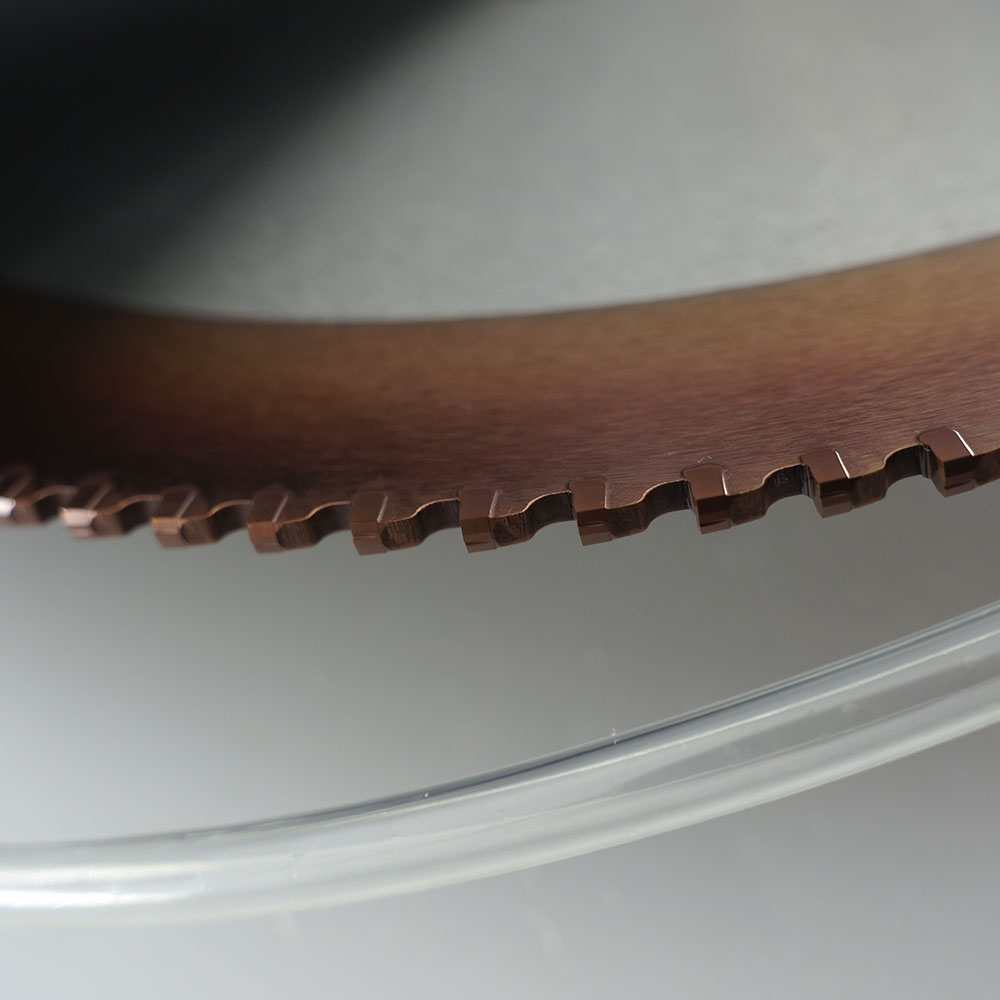
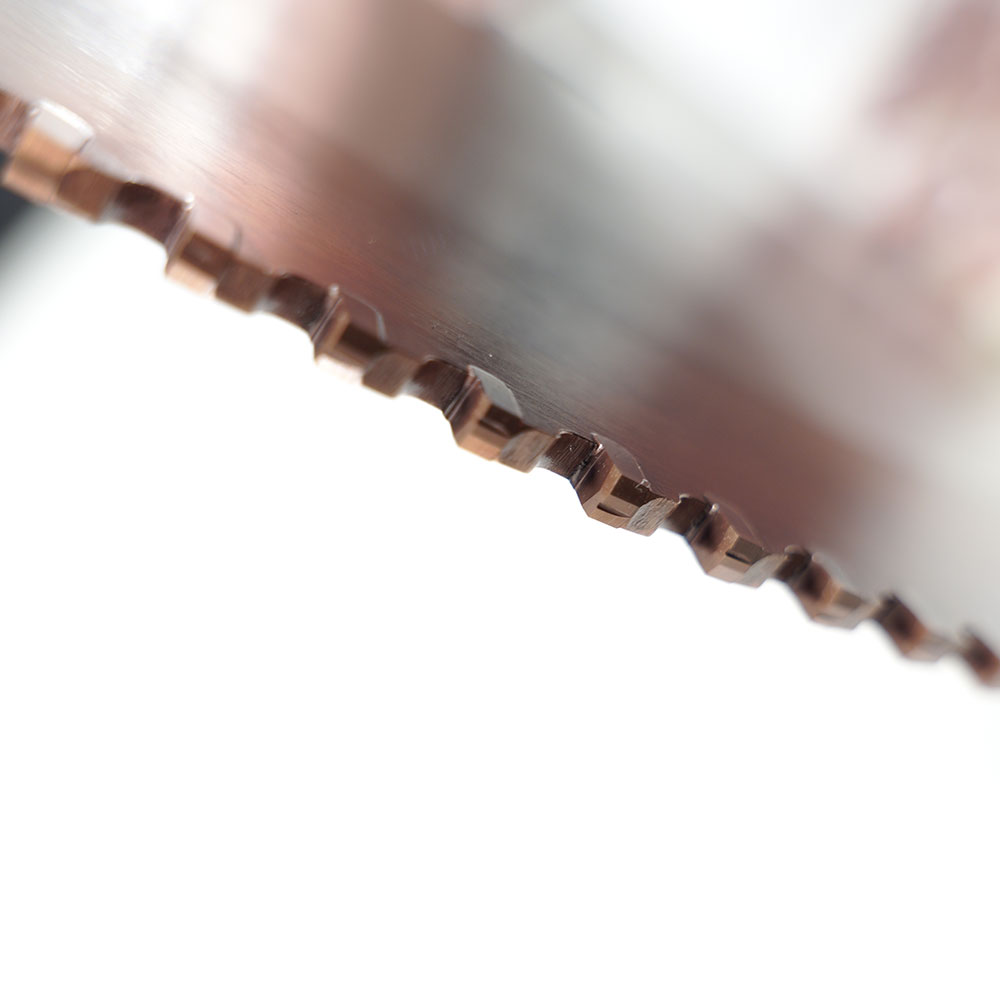
Tungsten carbide-tipped teeth are designed for demanding industrial cutting applications. With suitable blade selection and cutting parameters, they help maintain cutting performance and reduce the frequency of blade replacement.
2. K5 Coating for Heat and Wear Management
The K5 coated blade option is designed to improve surface wear resistance and help manage heat and material adhesion during cutting. Actual performance depends on the material, machine settings and operating conditions.
3. Designed for High-Speed Production Lines
Used with a compatible flying saw machine, the blade supports synchronized cutting of continuously moving tubes and profiles, helping manufacturers achieve efficient fixed-length production.
4. Multiple Tooth Designs for Different Processes
R, P and ZYT configurations provide options for different cutting methods and production requirements. Selecting the correct tooth design is essential for balancing cutting quality, blade life and productivity.
Product Series: TCT Flying Saw Blades
| No. | Product Type | Blade Specification |
| 1. | TCT Flying Saw Blade | 355*80*4.0/3.2*64T ZYT (4-17.2-160) |
| 2. | TCT Flying Saw Blade | 560*50*3.6/3.2*140T R |
| 3. | TCT Flying Saw Blade | 350*50*3.6/3.2*110T P (4-16-80) |
4. | TCT Flying Saw Blade | 500*50*3.6/3.2*160T P(4-16.2/80 |
| 5. | TCT Flying Saw Blade | 400*50*3.6/3.2*130T P(4-16-80) |
| 6. | TCT Flying Saw Blade | 450*50*3.6/3.2*130T P (4-16-80) |
| 7. | TCT Flying Saw Blade | 450*50*3.6/3.2*160T P(4-16-80) |
| 8. | TCT Flying Saw Blade | 355*80*4.0/3.2*64T P (4-17.2-160) |
Applications of TCT Flying Saw Blades
1.Welded Steel Pipe Production
TCT flying saw blades are used for cutting welded steel pipes to specified lengths in continuous tube manufacturing lines.
2.Steel Tube and Hollow Section Cutting
Suitable blade configurations can be selected for round tubes, square tubes and rectangular hollow sections, subject to material and machine compatibility.
3.Metal Profile Cutting
Compatible flying saw systems can also cut selected steel profiles and other metal sections when the blade design and machine configuration are appropriate.
Typical applications include:
Steel pipe and tube production lines
Welded tube mills
Continuous metal processing lines
Fixed-length cutting of compatible metal profiles
Industrial steel tube manufacturing
How to Select the Right TCT Flying Saw Blade
When choosing a TCT flying saw blade for your flying saw machine, consider the following factors:
Material: Carbon steel, alloy steel or other materials approved for the selected blade.
Tube dimensions: Outer diameter, profile shape and wall thickness.
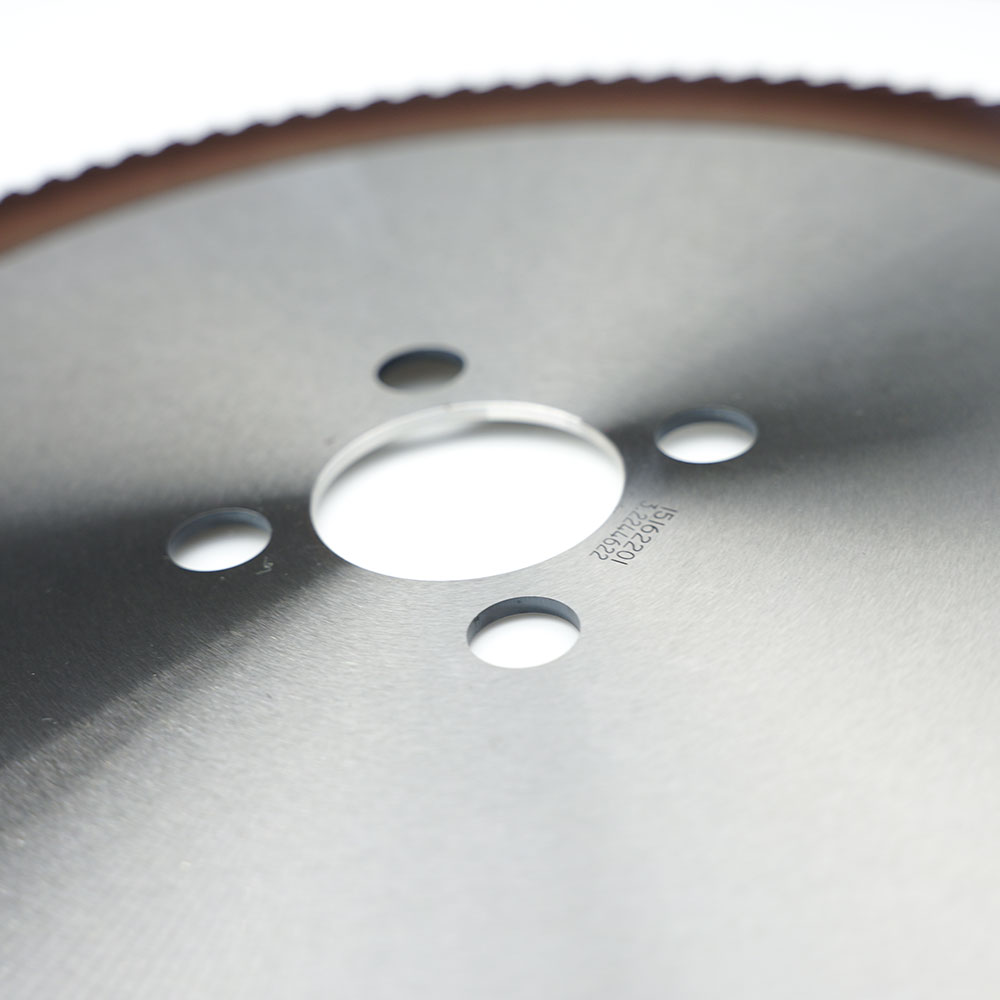
Blade dimensions: Outer diameter, bore diameter, blade thickness and mounting-hole arrangement.
Tooth configuration: R, P or ZYT, according to the existing cutting process.
Production conditions: Line speed, cutting speed, feed settings and cooling or lubrication conditions.
Cutting requirements: Cut length tolerance, end-face quality and acceptable burr level.
Machine compatibility: Spindle specifications, mounting arrangement and the original equipment manufacturer's requirements.
Providing these details helps our team recommend a suitable blade specification and avoid compatibility issues.
Why Choose KWS TCT Flying Saw Blades?
24 years of tool manufacturing experience, founded in 2002
100,000 m² of manufacturing facilities across two production bases (Dayi Shaqiu Industrial Park, Chengdu)
90+ proprietary patents and an R&D team of 70+ specialists
2,000+ automated machines with an annual output of 15 million pieces
Exported to 128 countries and regions — the KWS brand sold worldwide
Frequently Asked Questions (FAQ)
Q1: What is a TCT flying saw blade?
A TCT flying saw blade is a circular cutting blade fitted with tungsten carbide-tipped teeth. It is used with a compatible flying saw machine to cut moving steel pipes, tubes or other suitable metal sections to a specified length in continuous production lines.
Q2: What is the difference between a flying saw blade and a flying saw machine?
A flying saw blade is the cutting tool that performs the cut. A flying saw machine is the equipment that carries and controls the blade, synchronizing its movement with the advancing material when required by the production process.
Q3: What materials can KWS TCT flying saw blades cut?
They are primarily intended for compatible steel pipe and tube cutting applications. Suitability for a particular steel grade, profile or wall thickness should be confirmed based on the blade design and machine operating conditions.
Q4: What is the purpose of K5 coating on a TCT flying saw blade?
K5 coating is a blade surface treatment option designed to help improve wear resistance and manage heat and material adhesion. Actual results depend on the cutting material, operating conditions and machine settings.
Q5: How do I choose between R, P and ZYT tooth configurations?
The correct configuration depends on the cutting method, machine design, material dimensions and desired cut quality. Please provide your current blade model and application details so the appropriate configuration can be evaluated.
Q6: Are customized TCT flying saw blades available?
Yes. Customized specifications can be evaluated according to the required outer diameter, bore, thickness, tooth count, mounting-hole arrangement and tooth configuration. Final availability is subject to technical confirmation.
Q7: How can I extend the service life of a TCT flying saw blade?
Use a blade compatible with the material and flying saw machine, maintain the recommended cutting parameters, check blade mounting and alignment, and follow the equipment manufacturer's cooling, lubrication and maintenance instructions.
Q8: What information should I provide when requesting a quotation?
Please provide the blade dimensions, tooth configuration, steel material, tube diameter, wall thickness, production line speed, machine model and estimated order quantity. A photo of the existing blade label or a technical drawing can also help us confirm the specification.
KWS TOOLS — Precision Cutting. Reliable Manufacturing. Global Partnerships.
Stock: Yes No
|
No. |



 Saw Blade for Cutting Wood
 Cold Saw for Cutting Steel
 Saw Blade for Cutting Aluminum
 Pre-milling Cutter
 Drill Bit
 Router Bit
 Profile Cutter
 Planer Knives
 Collet Chuck Holder
 Grinding Wheel
 HSS Saw Blade
 Chop Saw
 Polishing Wheel